Six signs a door has reached the end
No single item on this list means you must replace the door. Two or three together usually do.
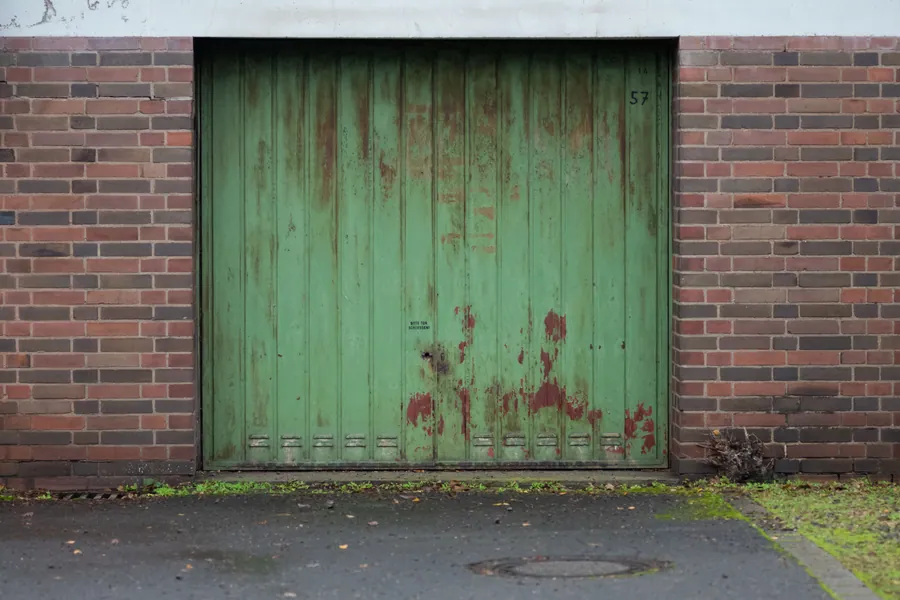
1. Rust has gone through the bottom section. Surface rust can be sanded and painted. Holes along the bottom edge can’t be patched in a way that lasts, and that section carries the cable brackets.
2. The sections are cracked at the hinges. Look at the stiles, the vertical ribs where the hinges bolt on. Once they fatigue and split, the screws lose their bite and the door starts to flex every time it moves.
3. It’s been repaired repeatedly. Springs and rollers are normal wear items. If you’ve also bought a section, a strut, and a set of hinges in the past few years, the door is telling you something.
4. The matching section no longer exists. Manufacturers retire panel designs. If you can’t get a matching section, one dent means either a mismatched door or a new one.
5. The garage is cold and loud. A single-layer steel door has almost no insulating value and rattles like a baking sheet. If there’s a bedroom above the garage, you already know.
6. It’s a wood door that has taken on water. Wood sections that have swelled, split, or begun to delaminate get heavier every year. Eventually the springs and opener can’t keep up.
If you’re not sure, ask us to look. We do plenty of repairs and single-section replacements, and we’ll tell you when one of those is the smarter spend.

What gets replaced, and what can stay
A proper replacement is more than new sections on old hardware.
| Part | Our approach | Why |
|---|---|---|
| Door sections | New | The point of the job |
| Springs | New, sized to the new door | The new door almost never weighs the same as the old one |
| Tracks | New | Track is matched to the door’s thickness and radius. Old track on a new door causes binding and voids most manufacturer support. |
| Rollers, hinges, cables, drums | New | They ship with the door and they’re matched to it |
| Weather seals | New | Old stop molding is usually brittle and shaped to the old door |
| Opener | Keep if it’s healthy and strong enough | Many openers outlast the door they came with |
| Jambs and trim | Keep unless rotted | We repair or wrap damaged wood as needed |
People sometimes ask whether they can save money by keeping the old tracks. We understand the instinct, but it’s a false economy. Track that doesn’t suit the door is the root of a lot of the noisy, binding doors we get called out to fix later.
How the day goes
We start by disconnecting the opener and unwinding the old springs. This is the hazardous part of taking a door down, and it’s done before a single section is unbolted. Then the old door comes apart from the top down, the track comes off the wall, and everything is loaded for haul-away.
With the opening bare, we get our one good look at the framing. If the jambs are soft at the bottom or the header has a crown, now is the time to deal with it.
The new door then goes in the same way any door does: bottom section leveled, sections stacked and hinged, track hung and braced, springs fitted and wound, door balanced, seals fitted, opener reconnected, and tested. If you’d like the blow-by-blow, the steps are on our installation page.
For a standard double door, you’ll typically have a working, sealed door again the same afternoon.
Picking the replacement
You’re not obliged to buy the same kind of door you had. Replacement is the chance to fix what annoyed you about the old one.
If the garage was always cold
Move up in insulation. Going from an uninsulated door to a polyurethane-filled, three-layer door is the biggest change in comfort you can make to a garage without touching the walls. Pair it with new perimeter seals and the difference is noticeable the first week.
If the old door was noisy
Insulated steel doors are quieter by nature because the sections don’t drum. Nylon rollers instead of steel ones help further. If the opener is an old chain drive, that’s the other half of the noise, and our opener installation page covers quieter drives.
If the house has changed
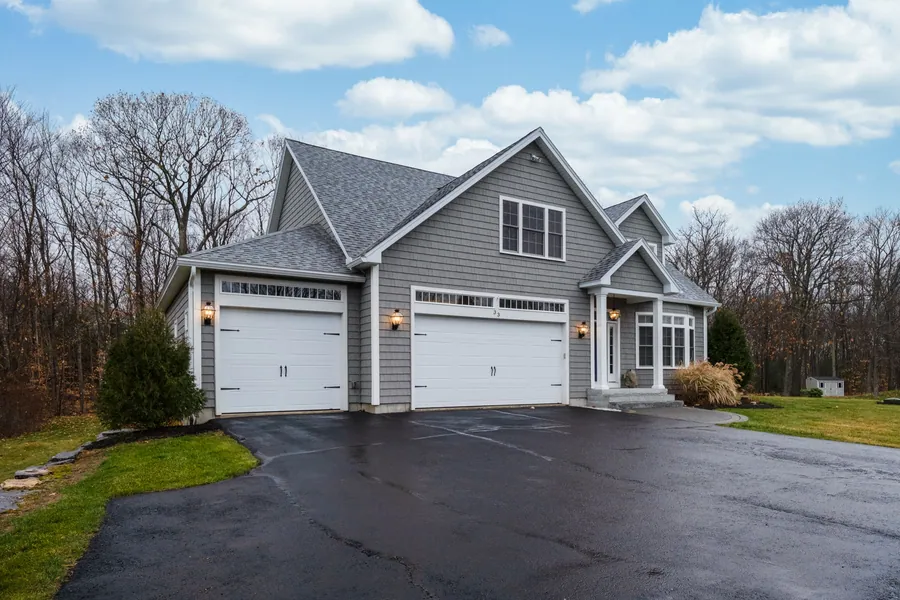
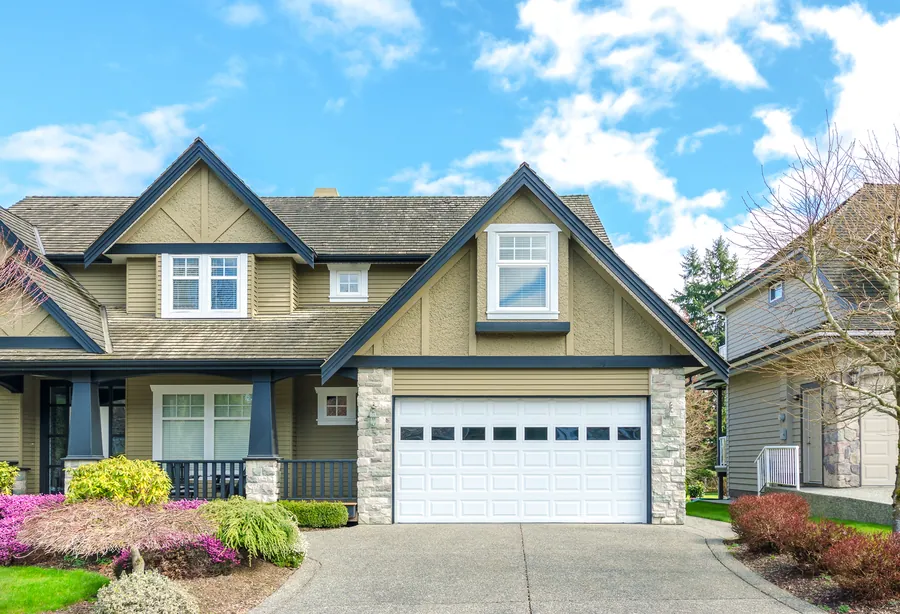
New siding, new windows, or a new roof color can leave the garage door looking like it belongs to a different house. Because the door is often a third of what you see from the street, a style that matches the home’s lines does a lot. Carriage house doors suit the colonials and Cape Cods in older parts of Franklin. Long horizontal panels and flush designs sit well on ranches and newer contemporary homes.
If you want daylight
Add a window row. If your old door had none, the garage will feel like a different room.